
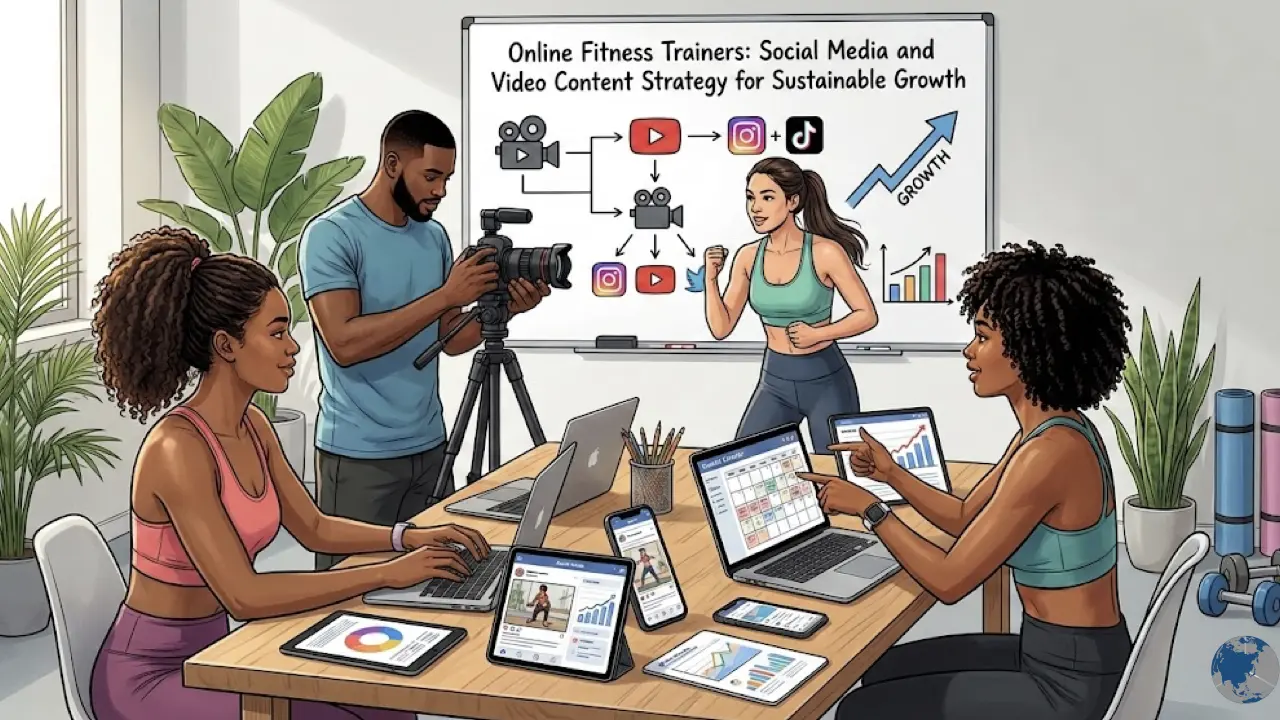
Online Fitness Trainers: Social Media and Video Content Strategy for Sustainable Growth
The fitness industry has rapidly evolved with the rise of digital platforms. Today, becoming an online fitness trainer is not just an option—it is a powerful business model that allows trainers to reach a global audience. Social media and video content play a crucial role in building authority, trust, and long-term client relationships.
This comprehensive guide explains how online fitness trainers can identify the right social media platforms, build a consistent brand presence, create engaging video content, and use SEO-friendly strategies to grow their online personal training business.
Identify the Social Media Platforms That Align With Your Target Audience
The foundation of a successful fitness social media strategy begins with understanding your target audience. Factors such as age, fitness level, goals, and online behavior determine which platforms will deliver the highest engagement and conversion rates.
Why Target Audience Analysis Matters
- Helps your content reach the right people
- Improves engagement and follower growth
- Increases conversion into paid clients
- Optimizes advertising spend
For example, younger audiences tend to engage more with Instagram and YouTube, while professionals and corporate wellness clients are more active on LinkedIn.
Key Social Media Platforms for Online Fitness Trainers
Instagram: Visual Storytelling and High Engagement
Instagram is one of the most powerful platforms for fitness content marketing. Short-form videos, reels, and stories allow trainers to demonstrate workouts quickly and effectively.
Instagram content ideas:
- Short workout routines
- Transformation photos and videos
- Daily fitness tips
- Interactive stories (polls, Q&A, quizzes)
Using SEO-friendly captions, relevant hashtags, and consistent posting schedules increases discoverability and engagement.
YouTube: Long-Form Video Authority
YouTube is essential for online trainers who want to build long-term visibility. Properly optimized videos can generate traffic for years.
YouTube fitness video ideas:
- Full home workout programs
- Proper exercise form tutorials
- Fitness trends and myth-busting videos
- Nutrition and supplement guidance
Optimizing titles, descriptions, tags, and thumbnails is critical for ranking on YouTube and Google search.
Facebook: Community Building and Retention
Facebook remains effective for creating private groups and nurturing long-term client relationships.
Facebook strategies:
- Private workout communities
- Live training sessions
- Client testimonials and success stories
These groups help increase accountability and client loyalty.
FityGo: Niche Fitness Platform for Quality Leads
Fitness-focused platforms like FityGo allow trainers to reach users who are already interested in health and workouts.
Benefits of FityGo:
- Highly targeted fitness audience
- Online program and package sales
- Professional trainer profiles
This platform helps trainers attract high-quality leads with stronger conversion potential.
LinkedIn: Professional Branding for Fitness Experts
Although often overlooked, LinkedIn is a valuable platform for trainers offering corporate wellness programs or premium online coaching.
LinkedIn content ideas:
- Your journey as an online fitness trainer
- Business insights into online personal training
- Corporate wellness success stories
LinkedIn strengthens credibility and opens doors to partnerships.
Maintain a Consistent Brand Identity Across All Platforms
Consistency is essential for building trust and recognition. A strong brand identity ensures that your audience instantly recognizes your content.
Key elements of brand consistency:
- Same logo, colors, and fonts
- Unified tone of voice
- Similar profile descriptions
- Regular posting schedule
A consistent brand presence makes your online fitness business look professional and reliable.
Video Content Ideas for Online Fitness Trainers
Video content is the most effective format in the fitness industry. It allows trainers to demonstrate expertise and create stronger connections.
Workout Demonstration Videos
- Bodyweight workouts
- Fat-loss and muscle-building routines
- Beginner, intermediate, and advanced programs
Proper Form and Technique Tutorials
Teaching correct exercise form builds trust and reduces injury risks for your audience.
Training Session Highlights
Short clips from real training sessions show authenticity and social proof.
Share Content Regularly to Increase Engagement
Consistency drives growth. A structured content calendar ensures you stay visible and relevant.
Recommended content mix:
- Workout videos
- Client testimonials
- Fitness tips and educational posts
- Motivational content
Posting consistently improves algorithm performance and audience trust.
Boost SEO With Blog Articles and Educational Videos
In addition to social media, SEO-friendly blogs and videos generate organic traffic.
Blog and Video Topic Ideas
- Fitness trends for 2026
- Benefits of online personal training
- Nutrition tips for active lifestyles
- Home workout strategies
Use clear headings (H1, H2, H3), internal linking, and keyword optimization to improve search rankings.
Conclusion
Building a successful online fitness business requires more than just workouts—it demands a clear digital strategy. By choosing the right social media platforms, maintaining consistent branding, producing high-quality video content, and applying SEO best practices, online fitness trainers can create sustainable growth.
When executed correctly, social media becomes more than a content platform—it becomes a powerful client acquisition system for online personal trainers.